- Cognitive Behavioral Therapy
- Solution-Focused Therapy
- Social anxiety and phobia
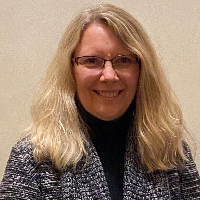
About Beverly
Beverly Pautz is a Licensed Clinical Social Worker (LCSW) in Wisconsin with 22 years of practice. She lists stress, anxiety, relationship concerns, grief, depression, coping with life changes, family issues, trauma and abuse, parenting, anger, self-esteem, career, and compassion fatigue among her areas of focus. She also notes caregiver issues, workplace concerns, and social anxiety and phobia.
She has worked in employee assistance programs, outpatient counseling, and sexual abuse treatment. Those roles gave her regular experience with people facing work stress and trauma. Sessions are described as interactive and grounded in direct problem-solving rather than long theoretical explanations.
Her main methods are Cognitive Behavioral Therapy (CBT) and Solution-Focused Therapy. CBT looks at how thoughts, feelings, and behaviors connect and uses practical steps to change patterns. Solution-Focused Therapy emphasizes small, concrete changes and building on what already works.
In conversation she uses a respectful, sensitive tone and avoids labeling. Treatment plans grow from what clients want to address and from small steps toward clearer goals. People can expect straightforward dialogue, skill practice, and short-term planning when appropriate.
She works in Wisconsin and provides services in English. Sessions follow a subscription model that can be canceled at any time, and fees vary by location. To begin, readers are asked to use the site button to complete a short matching questionnaire and schedule a first session.
How her approaches translate to online work
CBT focuses on identifying unhelpful thoughts and testing them with practical experiments. Online sessions can include thought records, behavior tracking, and step-by-step practice to interrupt anxious patterns. This approach often suits anxiety, mood concerns, and stress related to work or caregiving.Solution-Focused Therapy concentrates on small, achievable changes and on what already goes well. In remote sessions this can mean setting short goals, noting progress between meetings, and using focused exercises that build confidence over a few sessions.
Finding the right approach is a collaborative process. She will work with clients to pick methods that match their goals, preferences, and day-to-day constraints. That discussion can begin in the first appointment and adjust over time as needs become clearer.
Session formats are not specified in the biography, so confirm current online options before booking. Many people choose remote therapy to fit sessions into work breaks, reduce travel time, or use shorter check-ins when schedules are tight. Therapists and licensed professionals working online can also use screen-shared worksheets or brief between-session tasks to keep progress moving.
Areas of expertise
Primary focus
Also works with
Additional focus areas
Therapeutic approaches
Experience
22+ years
Listed in
Wisconsin
Languages
English
Frequently asked questions
What kinds of problems does she work with?
She lists stress, anxiety, relationship issues, grief, depression, life changes, family concerns, trauma and abuse, parenting, anger, self-esteem, career struggles, and compassion fatigue.
What is her general therapy style?
She uses an interactive, direct style that focuses on practical steps and respectful conversation rather than long theoretical discussion.
How much experience does she have?
She has 22 years of experience in social work settings including employee assistance, outpatient counseling, and sexual abuse treatment.
What credential and location are listed?
She is a Licensed Clinical Social Worker (LCSW) licensed in Wisconsin.
Which languages are supported?
Sessions are offered in English.
Can international clients work with her?
She is not currently accepting international clients.
How are sessions paid for?
Sessions use a subscription that can be canceled at any time and fees vary with location.
How do I begin a first session?
Use the site button to complete a short matching questionnaire and then schedule a first session.